


Changing careers can feel exciting, confusing, and overwhelming. One of the hardest parts is figuring out what your passion and next move.
Before diving headfirst into a new field or returning to school, it helps to slow down and explore. There are practical, low-risk ways to learn what kind of job might energize you. Here are several ways to figure out your passion when changing careers, along with smart ways to find a job that truly fits.
Try Temp or Contract Work
If you feel stuck or unsure about your direction, short-term jobs can give you hands-on experience without long-term commitment. Temp roles expose you to different industries, office cultures, and responsibilities. They can help you notice what types of tasks you enjoy or want to avoid.
For example, if you’re curious about marketing, you might take a three-month admin role at a marketing agency. You may find yourself drawn to campaign planning or analytics. Or you may learn that client deadlines and fast-paced environments are not a great fit for your personality. Either way, you walk away with clarity.
Volunteer to Explore
Volunteering is another excellent way to explore your interests, especially if your schedule does not allow full-time work or you are transitioning from a demanding role. Look for opportunities that let you try new skills in real-world settings.
Someone interested in event planning might help coordinate a nonprofit fundraiser. A teacher considering a move into instructional design might volunteer to update an organization’s training materials. These small projects give you a sense of what the work feels like day to day. You also gain references, experience, and potential job leads.
Take the Myers-Briggs Strong Interest Inventory
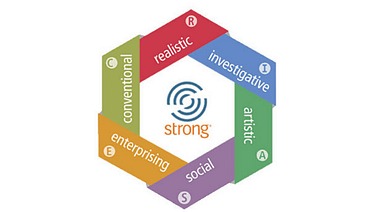
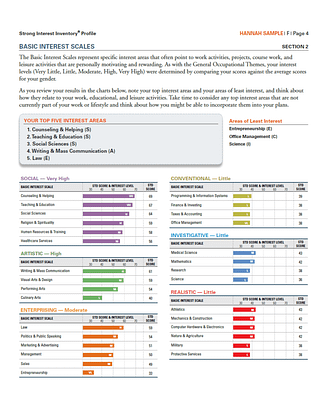
Sometimes, your own preferences are hard to see clearly. The Strong Interest Inventory is a research-backed assessment that compares your interests with those of people who enjoy and stay in specific careers. It provides insight into what fields may feel most natural to you based on your personality, values, and motivations.
The assessment is not a magic solution, but it can be a powerful tool to narrow your focus. It can also help validate ideas you are already considering or uncover hidden patterns you had not noticed.
Notice What You Enjoy Outside of Work
Your career is only one part of your life. Look at how you spend your free time. Are you the person who organizes family travel? Do you enjoy researching things deeply or helping friends rewrite their résumés? These hobbies and habits often point to skills and environments where you feel most alive.
You might not want to turn every passion into a job, but paying attention to your energy is important. What tasks make time fly? What conversations do you always enjoy? What types of problems do you like solving? These clues matter.
Shadow Someone in a Role You’re Curious About
Informational interviews are helpful, but watching someone do the job in real time can be even better. If you have a friend, relative, or former colleague working in a role that interests you, ask if you can spend a few hours shadowing them.
Observe their daily flow. Watch what tools they use. Ask about what parts of their job they find most rewarding and what challenges they face. You’ll learn far more from this type of experience than you will from job postings.
Keep a Career Journal
As you try different experiences, keep a journal. Write down what you liked, what drained you, and what surprised you. Over time, you will start to notice themes. These reflections will help you choose your next step more confidently and reduce the pressure to get it perfect on the first try.
You don’t need to have your entire future figured out. Career clarity builds through action, not just reflection. Trying things, paying attention, and being open to what you learn can uncover the right direction over time. The next right step does not have to be forever. It just has to move you closer to work that feels like a fit.
Bridget Batson, CMRW, CERM, CGRA, CPRW, NCOPE, CEIP is a Certified Master Resume Writer (CMRW), Certified Executive Resume Master (CERM), Certified Graphic Resume Architect (CGRA), Certified Professional Resume Writer (CPRW), Nationally Certified Online Profile Expert (NCOPE), Certified Employment Interview Professional (CEIP), Myers–Briggs STRONG® Administrator, and Owner of Houston Outplacement. Available for Individual Consultations at Houston Outplacement
 Connect and Follow Bridget on LinkedIn

